AlgoLaser Pixi 3W vs Creality Falcon A1C Basic 10W
| Laser | ||
| Tipo | Diode Laser | Diode Laser |
| Lunghezza d'onda | 450 nm | 455 nm |
| Potenza ottica | 3 W | 10 W |
| Prestazioni | ||
| Area di lavoro | 100 × 100 mm | 150 × 150 mm |
| Velocità massima | 6,000 mm/min | 15,000 mm/min |
| Messa a fuoco | Fissa | Autofocus |
| Funzionalità | ||
| Copertura | Sì | Sì |
| Assistenza aria | No | No |
| Compatibile rotativo | Sì | Sì |
| WiFi | Sì | Sì |
| Fotocamera | No | No |
| Fisico | ||
| Prezzo approssimativo | $179 | $299 |
| Anno di uscita | 2025 | 2026 |
| Peso | 3.75 kg | 9.7 kg |
Pro e contro
AlgoLaser Pixi 3W
Cosa ci piace
- Fully enclosed — safe for indoor/tabletop use
- Camera-assisted autofocus — no manual focusing
- Compact and portable
- CNET-recognized for ease of use
Attenzione
- Small work area limits project size
- Low power (3W base) restricts materials to soft/thin items
- Not intended for cutting — engraving only at this power tier
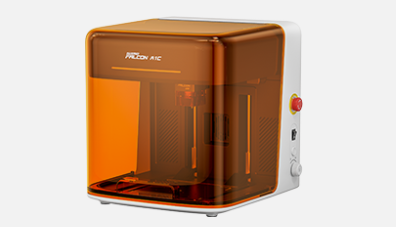
Creality Falcon A1C Basic 10W
Cosa ci piace
- Meaningfully more cutting power than the 5W model for the same enclosed form factor
- True auto focus — no manual height adjustment needed
- Compact desktop form factor with full safety enclosure
- Mobile app and LightBurn / LaserGRBL compatible
- IR module add-on available for metal marking
Attenzione
- Small 150×150 mm work area limits project size
- Basic version cannot be upgraded with AI Camera later
- IR module requires separate 24V 5A adapter (not included with base machine)
- No built-in camera on the base model
Materiali compatibili
AlgoLaser Pixi 3W
LegnoCuoioCartoneCartaGomma
Creality Falcon A1C Basic 10W
LegnoCuoioAcrilicoCartoneTessutoCartaGommaPietraAlluminio anodizzato
Il AlgoLaser Pixi 3W costa $179 (il 40% in meno) rispetto al Creality Falcon A1C Basic 10W, che costa $299.
Il Creality Falcon A1C Basic 10W ha il 70% di potenza ottica in più (10W contro 3W).
Il Creality Falcon A1C Basic 10W offre un'area di lavoro il 56% più grande (150 × 150 mm contro 100 × 100 mm).
Il Creality Falcon A1C Basic 10W raggiunge una velocità massima superiore del 60% (15,000 mm/min contro 6,000 mm/min).