Snapmaker Ray 40W vs. xTool S1 20W
| Laser | ||
| Typ | Diode Laser | Diode Laser |
| Wellenlänge | 455 nm | 455 nm |
| Optische Leistung | 40 W | 20 W |
| Leistung | ||
| Arbeitsbereich | 400 × 600 mm | 498 × 319 mm |
| Höchstgeschwindigkeit | 30,000 mm/min | 36,000 mm/min |
| Fokus | Manuell | Autofokus |
| Funktionen | ||
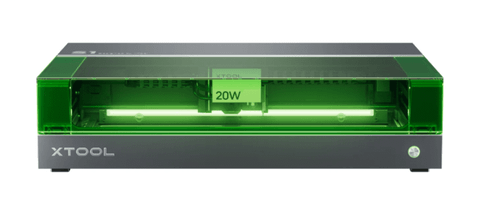
| Gehäuse | Nein | Ja |
| Luftunterstützung | Ja | Ja |
| Rotationsaufsatz-kompatibel | Ja | Ja |
| WLAN | Ja | Ja |
| Kamera | Nein | Ja |
| Physisch | ||
| Ca.-Preis | $1,699 | $1,099 |
| Erscheinungsjahr | 2023 | 2023 |
| Gewicht | 15.06 kg | 18 kg |

Vor- und Nachteile
Snapmaker Ray 40W
Was uns gefällt
- Cuts up to 15mm basswood in a single pass
- Smart Air Assist pump included in box
- Large 400×600mm work area
- Wi-Fi + USB connectivity with LightBurn support
- FDA Class 1 certified with optional enclosure
Achtung
- No autofocus (manual focus lever)
- No built-in enclosure (sold separately)
- No camera module
- Laser-only (no 3-in-1 like Artisan)
xTool S1 20W
Was uns gefällt
- Full enclosure for safe operation
- Built-in camera for precise positioning
- Autofocus saves setup time
- Extremely fast at 36,000 mm/min
- Excellent build quality and finish
Achtung
- Premium price compared to open-frame alternatives
- Heavy at 18 kg — not easily portable
- Enclosure limits maximum material height
Kompatible Materialien
Snapmaker Ray 40W
HolzAcrylLederStoffPapierEloxiertes AluminiumMetallgravur
xTool S1 20W
HolzAcrylLederPappeStoffPapierGummiSteinMetallgravurEloxiertes Aluminium
xTool S1 20W kostet $1,099 (35% weniger) als Snapmaker Ray 40W, das $1,699 kostet.
Snapmaker Ray 40W hat 50% mehr optische Leistung (40W vs. 20W).
Snapmaker Ray 40W bietet einen 34% größeren Arbeitsbereich (400 × 600 mm vs. 498 × 319 mm).
xTool S1 20W hat eine 17% höhere Höchstgeschwindigkeit (36,000 mm/min vs. 30,000 mm/min).
Bei den Funktionen gilt: xTool S1 20W verfügt über ein geschlossenes Gehäuse, Snapmaker Ray 40W nicht; xTool S1 20W verfügt über eine Kamera, Snapmaker Ray 40W nicht.