Snapmaker Ray 20W vs. xTool D1 Pro 20W
| Laser | ||
| Typ | Diode Laser | Diode Laser |
| Wellenlänge | 455 nm | 455 nm |
| Optische Leistung | 20 W | 20 W |
| Leistung | ||
| Arbeitsbereich | 400 × 600 mm | 430 × 390 mm |
| Höchstgeschwindigkeit | 30,000 mm/min | 24,000 mm/min |
| Fokus | Manuell | Manuell |
| Funktionen | ||
| Gehäuse | Nein | Nein |
| Luftunterstützung | Ja | Ja |
| Rotationsaufsatz-kompatibel | Ja | Ja |
| WLAN | Ja | Ja |
| Kamera | Nein | Nein |
| Physisch | ||
| Ca.-Preis | $1,299 | $699 |
| Erscheinungsjahr | 2023 | 2022 |
| Gewicht | 14.6 kg | 5.8 kg |

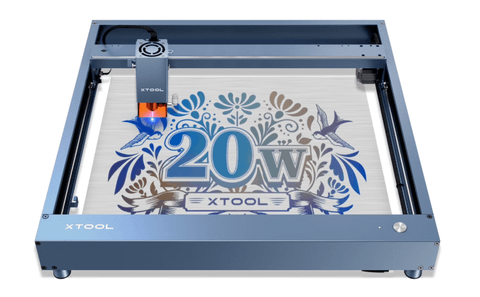
Vor- und Nachteile
Snapmaker Ray 20W
Was uns gefällt
- Smart Air Assist pump included in box
- Large 400×600mm work area
- Wi-Fi + USB connectivity
- LightBurn compatible out of the box
- Strong Snapmaker community and ecosystem
Achtung
- No autofocus (manual focus lever)
- No built-in enclosure (sold separately)
- No camera for material detection
- Lower power than 40W model
xTool D1 Pro 20W
Was uns gefällt
- Cuts up to 10mm pine in a single pass
- Air assist included in the box
- WiFi and USB control
- Excellent engraving speed at 24,000 mm/min
- Wide material compatibility
Achtung
- No enclosure — not safe for unattended operation
- Higher price point for a diode laser
- Requires ventilation setup for cutting fumes
Kompatible Materialien
Snapmaker Ray 20W
HolzAcrylLederStoffPapierEloxiertes Aluminium
xTool D1 Pro 20W
HolzAcrylLederPappeStoffPapierGummiSteinMetallgravur
xTool D1 Pro 20W kostet $699 (46% weniger) als Snapmaker Ray 20W, das $1,299 kostet.
Beide Maschinen haben die gleiche optische Leistung von 20W.
Snapmaker Ray 20W bietet einen 30% größeren Arbeitsbereich (400 × 600 mm vs. 430 × 390 mm).
Snapmaker Ray 20W hat eine 20% höhere Höchstgeschwindigkeit (30,000 mm/min vs. 24,000 mm/min).